Meet Pip, Dot and their friends. Choose an illustrated story, explore its reading guidance, and switch between simpler words and the full story as you read.
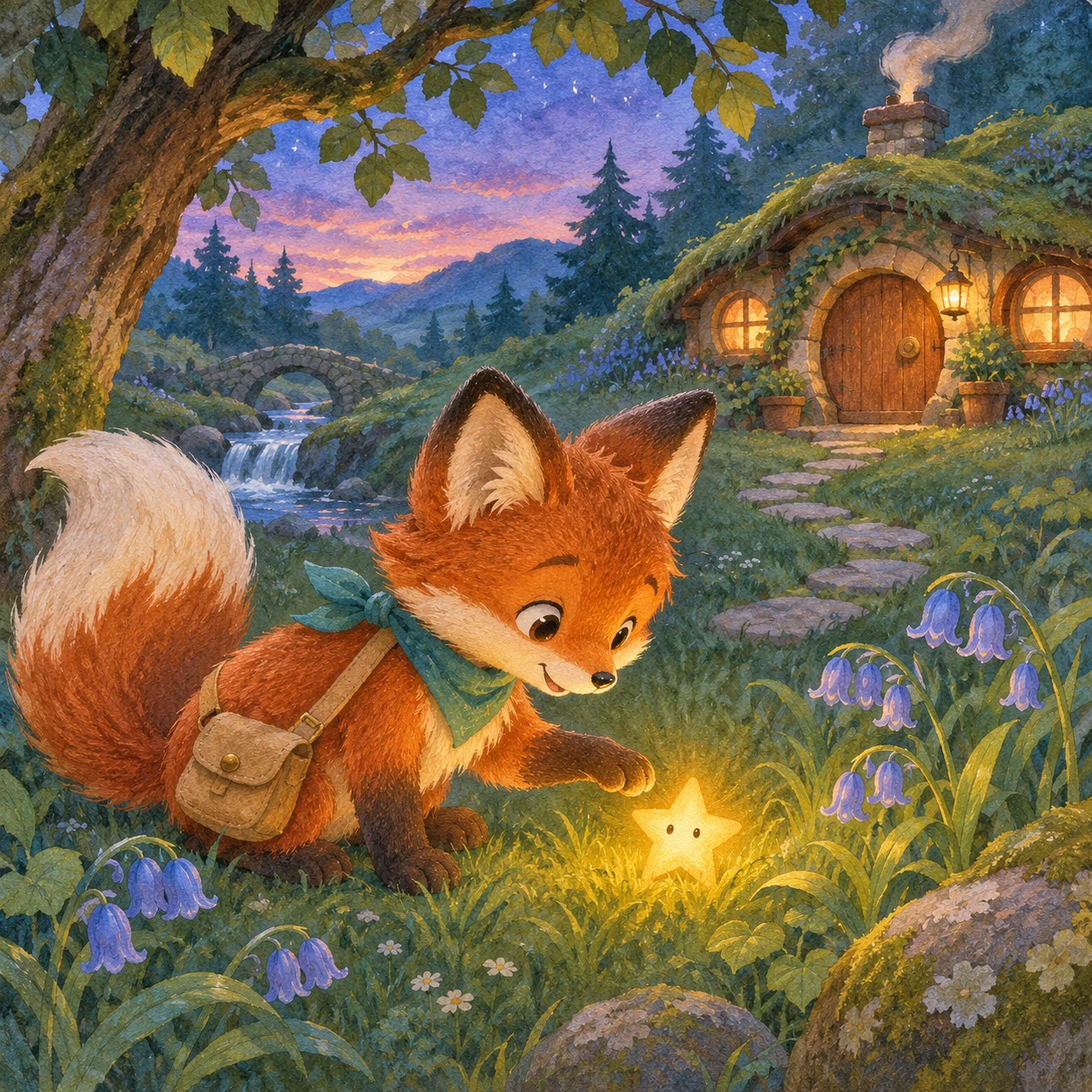
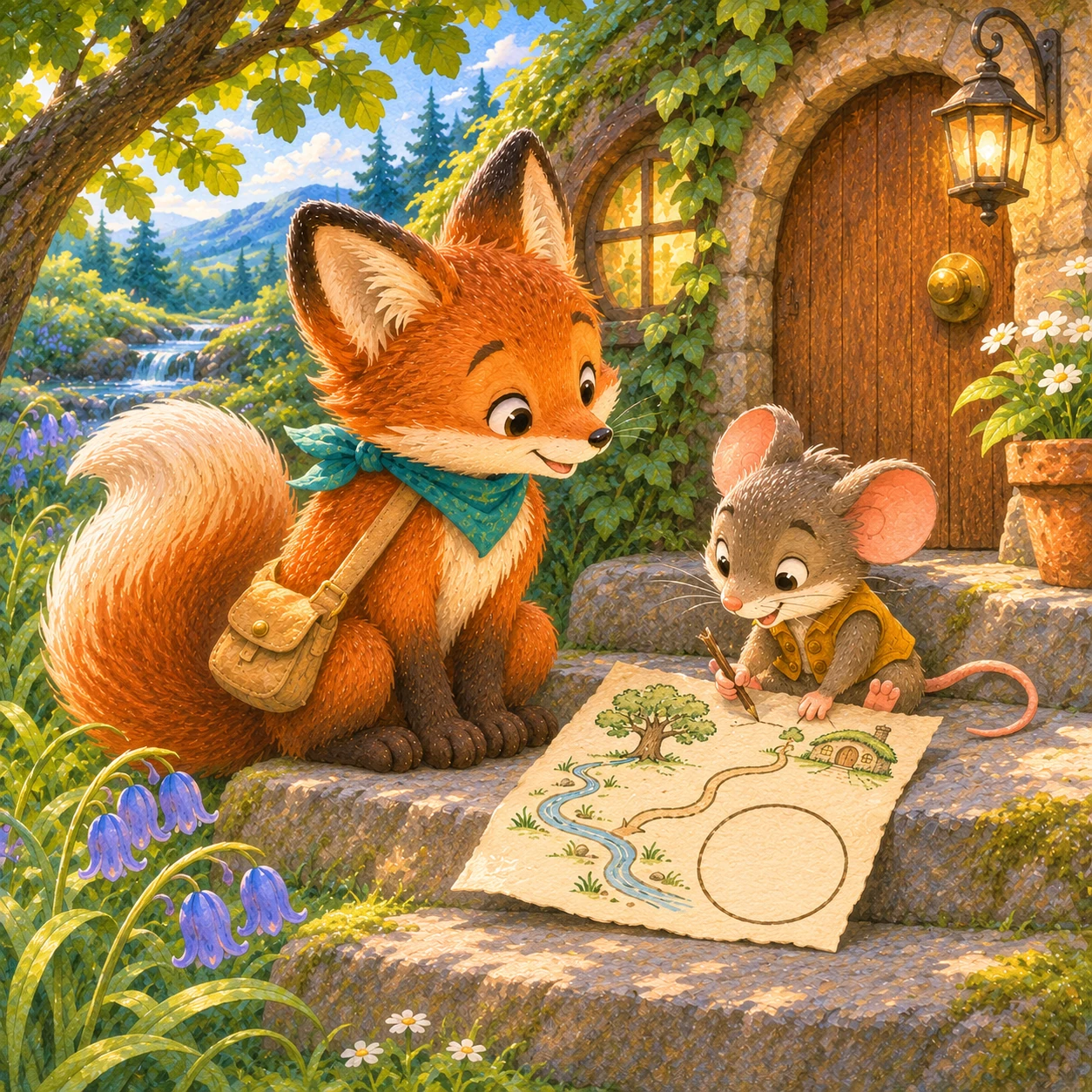
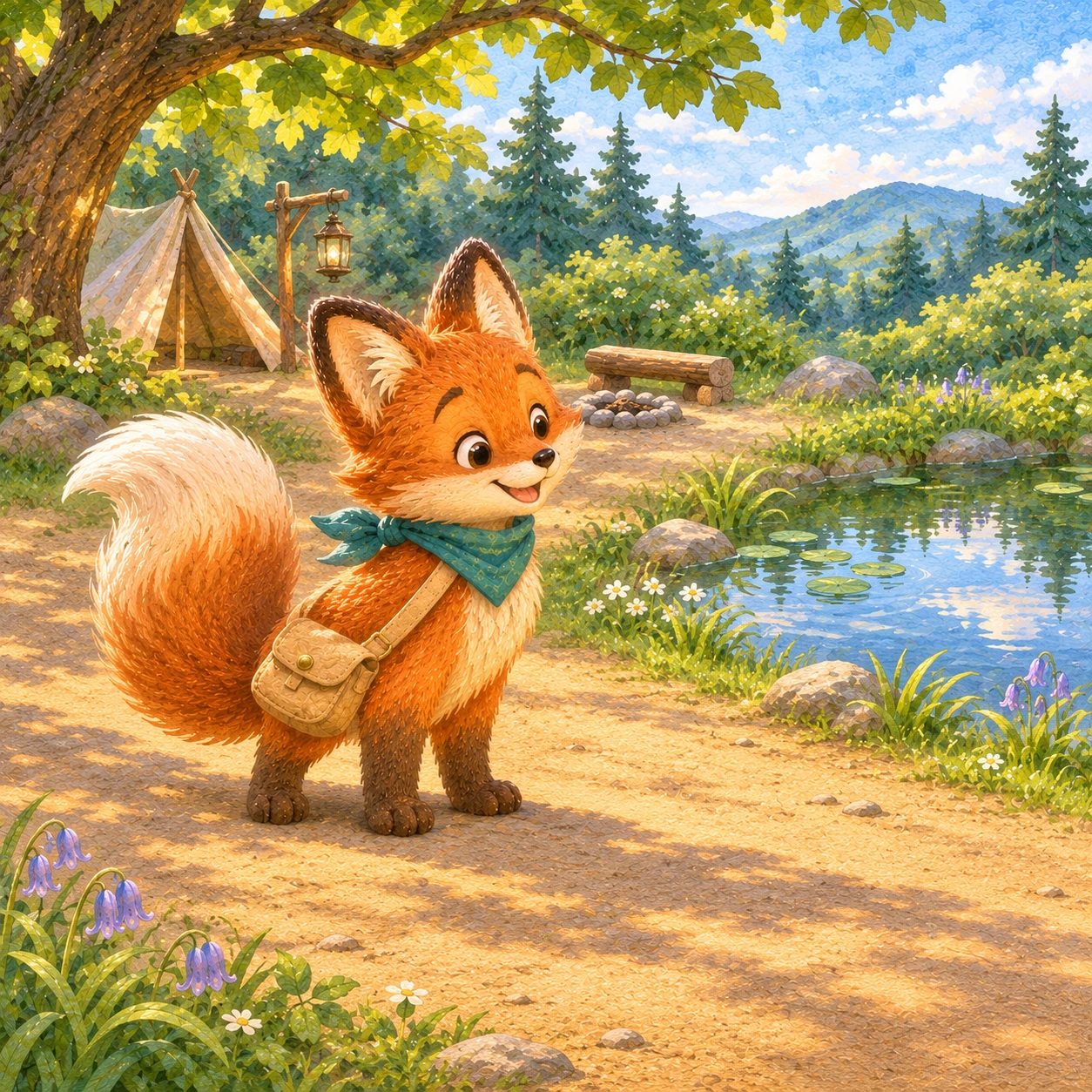
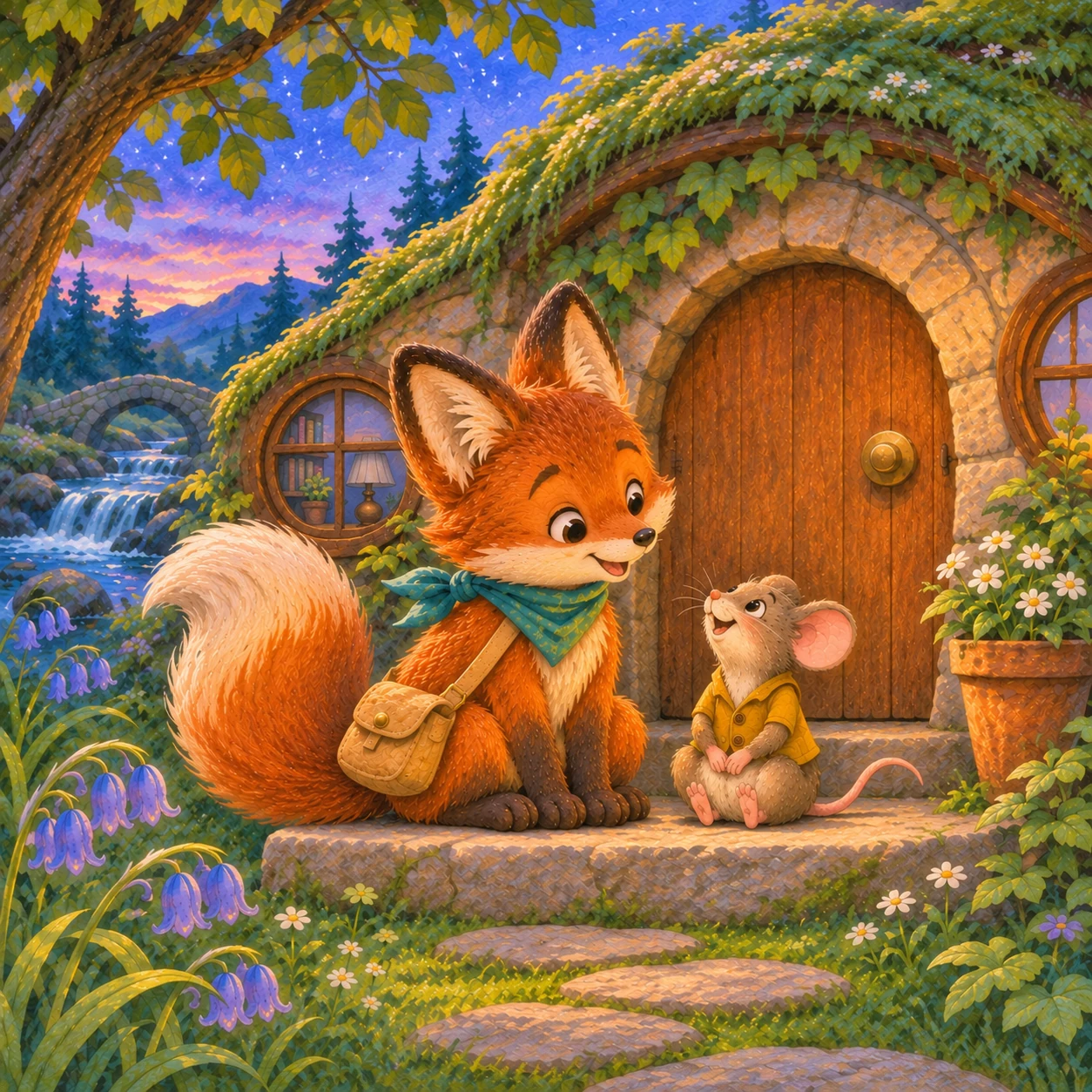
When a star tumbles into his garden, a small fox sets out to help it home. A new friend shows him that even a big journey can begin with one little step.
Simple wordsLevel 4 · Short storiesGrades 1–2 story skillsIllustrated story · support as needed
For this book: Suggested connected-text practice, stages 4–5. Enjoy the story read aloud at any stage. Neither text version is a controlled decodable or a measured grade level.
Book levels describe the wording in each edition. The grade-skill range identifies partial curriculum skills addressed by the story or practice, not the learner's grade or a standardised independent-reading score.
Illustrated stories can include words outside early phonics practice. Listening and reading with support are different from reading independently.
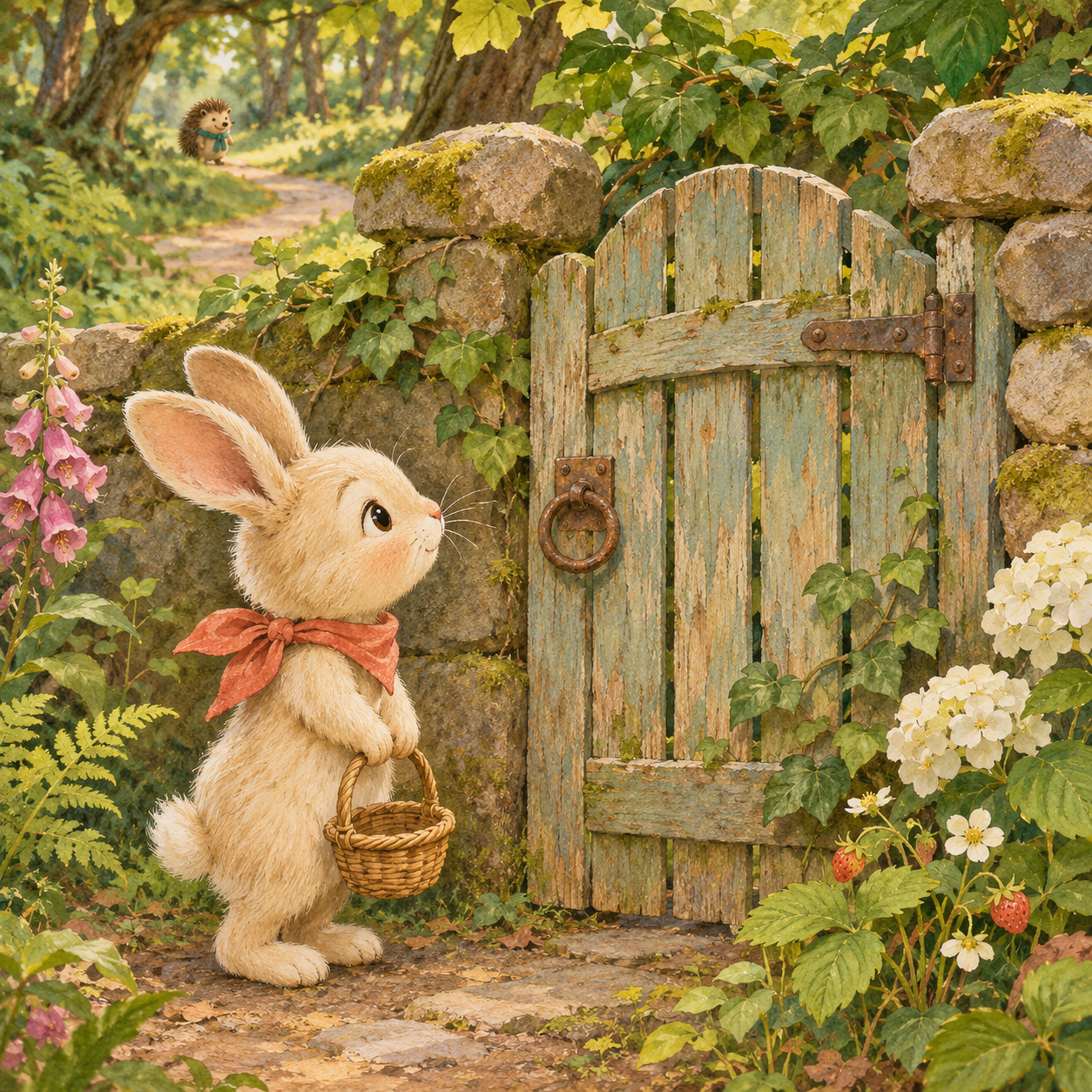
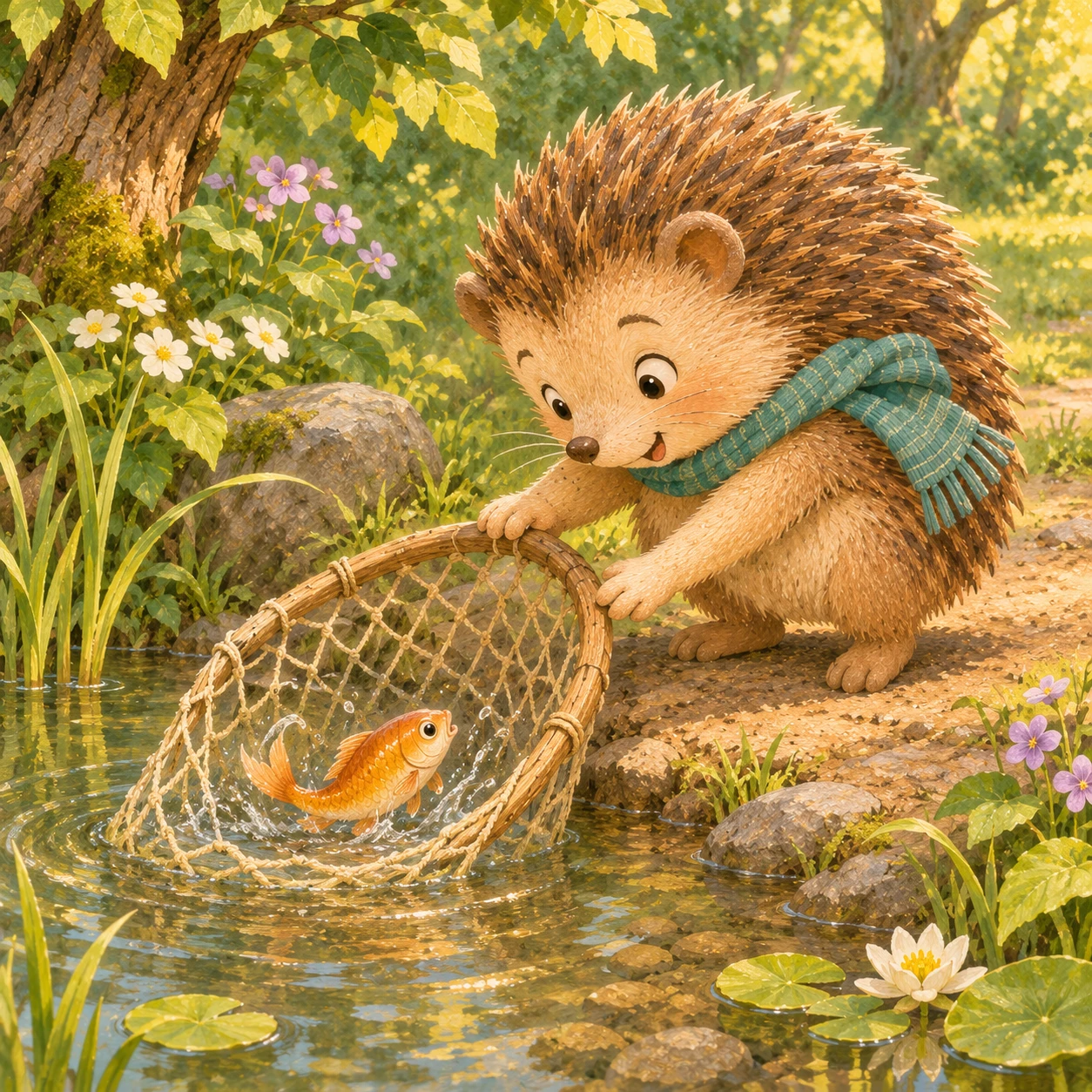
A stuck gate keeps Dot out of the garden. A careful look and a helping friend make a way through.
Simple wordsLevel 4 · Short storiesGrades 1–2 story skillsIllustrated story · support as needed
Full storyLevel 4 · Short storiesGrades 1–2 story skillsIllustrated story · support as needed
About this reading guidance
For this book: Suggested connected-text and meaning practice, stages 4-5. Enjoy the story read aloud at any stage. This is not a measured grade level or a controlled decodable edition.
Book levels describe the wording in each edition. The grade-skill range identifies partial curriculum skills addressed by the story or practice, not the learner's grade or a standardised independent-reading score.
Illustrated stories can include words outside early phonics practice. Listening and reading with support are different from reading independently.
For this book: A listening and oral-language book. Gwen reads the words and invites an optional spoken, pointing or gesture response. Listening is participation; silence is not a failed reading attempt. No independent decoding prerequisite or word-reading assessment.
Book levels describe the wording in each edition. The grade-skill range identifies partial curriculum skills addressed by the story or practice, not the learner's grade or a standardised independent-reading score.
Illustrated stories can include words outside early phonics practice. Listening and reading with support are different from reading independently.
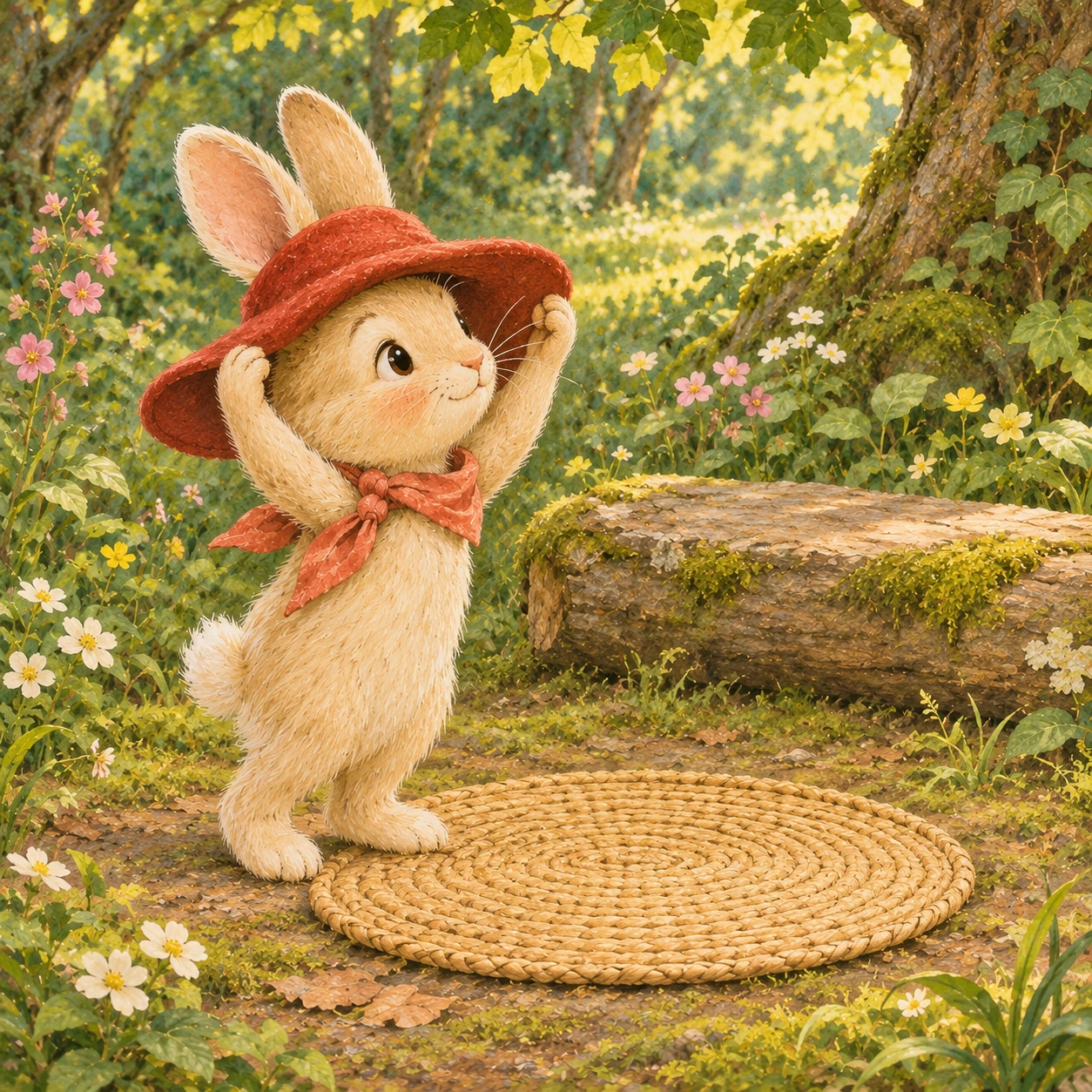
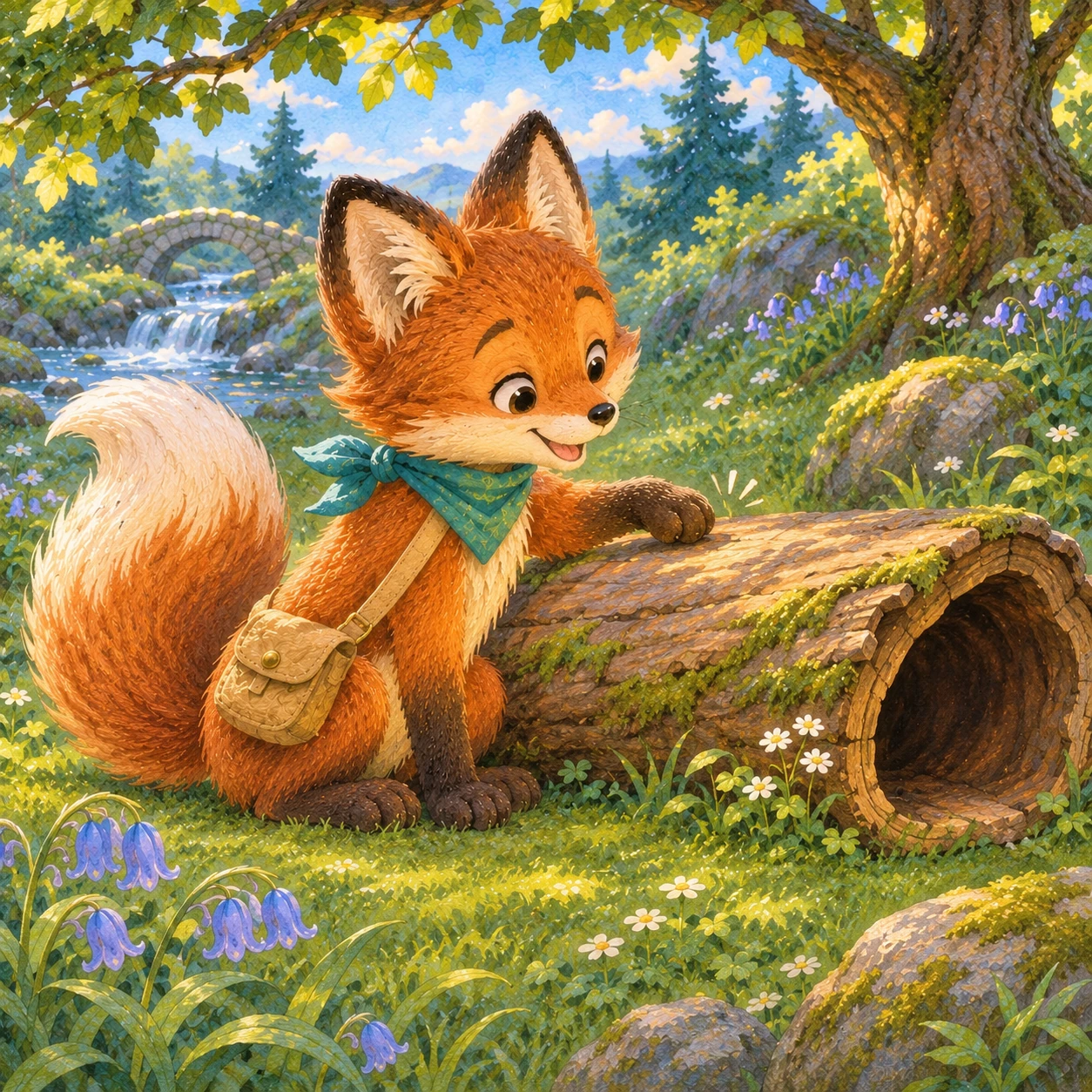
Read a few regular words as Pip sits, taps and pats beside his cottage.
Simple wordsLevel 1 · First wordsK–Grade 1 word skillsDecodable story pages · taught sounds
Full storyLevel 1 · First wordsK–Grade 1 word skillsDecodable story pages · taught sounds
About this reading guidance
For this book: Controlled story text for the first-words step of Gwendolearn reading-code 2026-11-12.1. Teach p, i, s, a and t, short a/i, blending and the capital P in Pip first. Both versions and the title use only the reviewed word list, with no exception words. Gwen supplies rich instructions, labels and questions aloud; they are not independent decodable practice. Modelling, repeating and hints are support, not mastery.
Book levels describe the wording in each edition. The grade-skill range identifies partial curriculum skills addressed by the story or practice, not the learner's grade or a standardised independent-reading score.
Titles and story pages match a reviewed teaching step. Introduce its sounds and exception words first; instructions and questions can need spoken support.
For this book: Controlled story text for adjacent-words in Gwendolearn reading-code 2026-11-12.1. Review its cumulative short-vowel code, ck and selected consonant groups, the /s/ ending in packs, and the explicitly modelled exception words a and the. Cover/title and both versions are checked. Gwen reads instructions/questions aloud. A finished book is a navigation event, not a reading grade.
Book levels describe the wording in each edition. The grade-skill range identifies partial curriculum skills addressed by the story or practice, not the learner's grade or a standardised independent-reading score.
Titles and story pages match a reviewed teaching step. Introduce its sounds and exception words first; instructions and questions can need spoken support.
For this book: Controlled story text for sh-words in Gwendolearn reading-code 2026-11-12.1. Review the cumulative adjacent-words step, sh, ll and the explicitly modelled exceptions a and the. The title and both versions are checked against the reviewed word list. Gwen supplies richer instructions/questions orally. Do not use an illustration to guess an untaught word or treat assisted answers as independent reading.
Book levels describe the wording in each edition. The grade-skill range identifies partial curriculum skills addressed by the story or practice, not the learner's grade or a standardised independent-reading score.
Titles and story pages match a reviewed teaching step. Introduce its sounds and exception words first; instructions and questions can need spoken support.
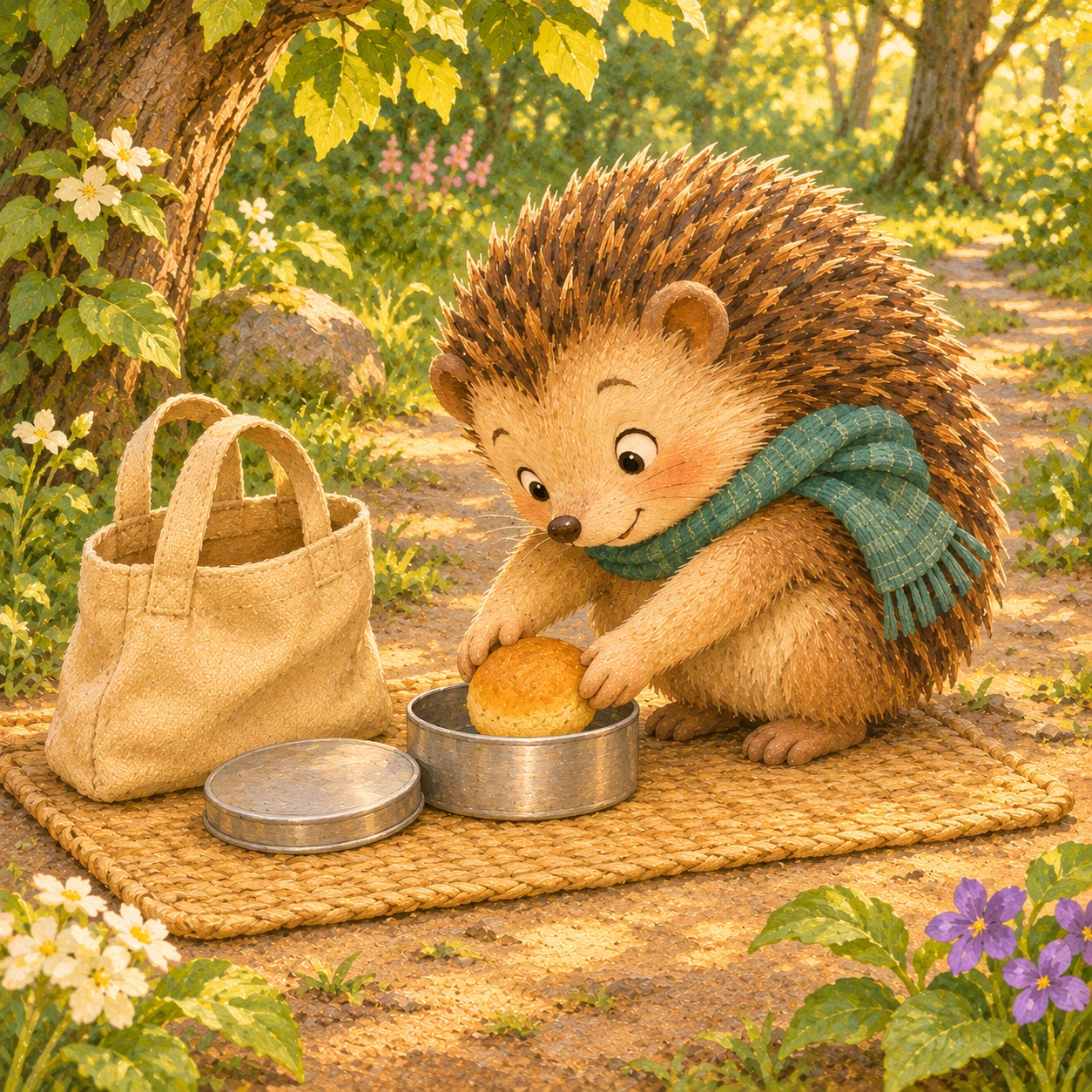
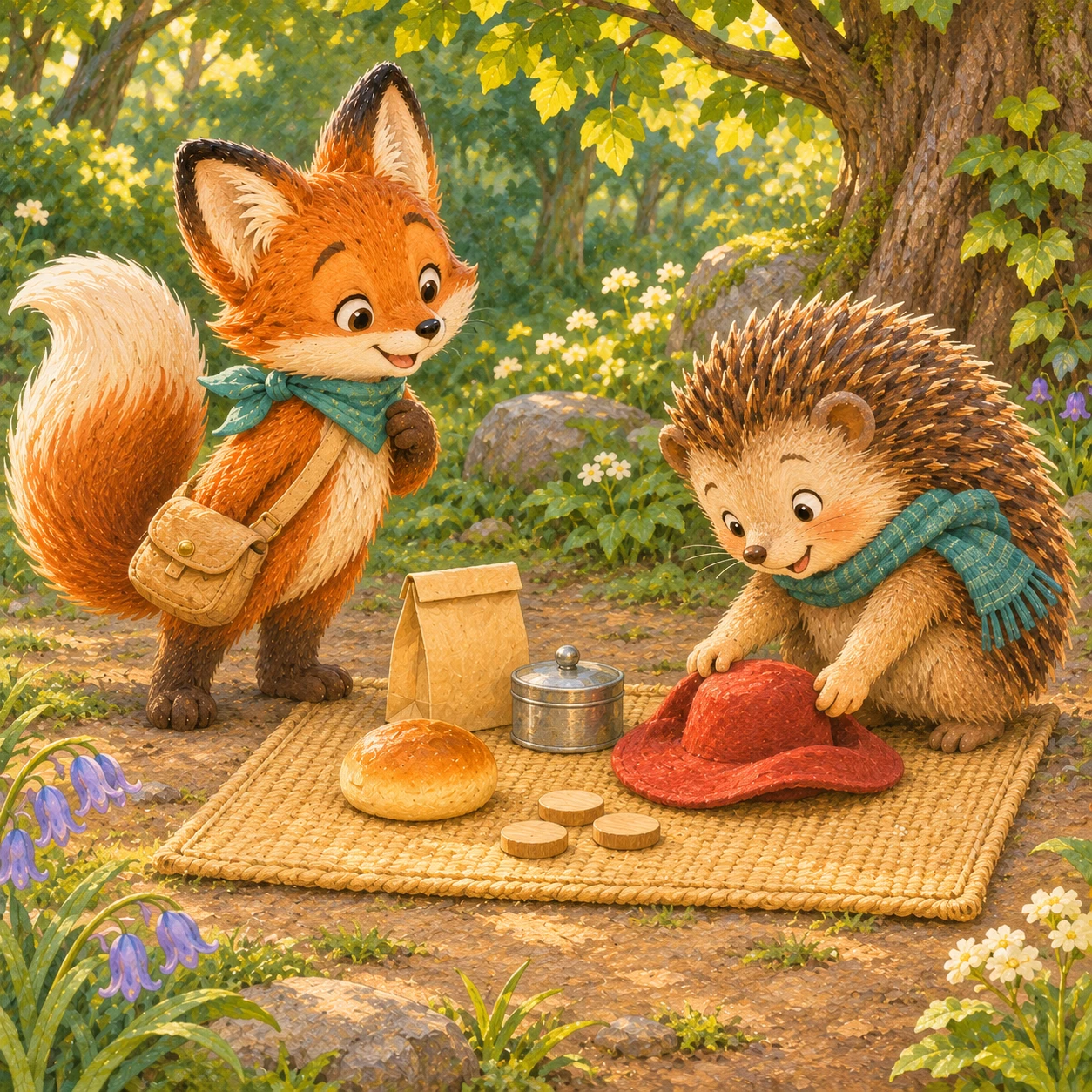
Pip cannot find his picnic basket. A small red clue helps him retrace his steps.
Simple wordsLevel 4 · Short storiesGrades 1–2 story skillsIllustrated story · support as needed
Full storyLevel 4 · Short storiesGrades 1–2 story skillsIllustrated story · support as needed
About this reading guidance
For this book: Illustrated connected-text story, not controlled decodable text. Practise tracking event order, locating an explicit clue and explaining a cause using the story. Gwen may read either version aloud. Independent decoding and listening comprehension must remain separate in learning evidence. The basket is an ordinary new outing prop; no character takes or moves it secretly.
Book levels describe the wording in each edition. The grade-skill range identifies partial curriculum skills addressed by the story or practice, not the learner's grade or a standardised independent-reading score.
Illustrated stories can include words outside early phonics practice. Listening and reading with support are different from reading independently.
For this book: Illustrated narrative for sustained listening/supported reading, vocabulary, inference and revising an idea using new evidence. Neither version is controlled decodable text. The full story links clues across eight scenes; the shorter version supports the same plot. Maps are simple original picture symbols, not a claim about navigation skills or an exact geographic scale. Moss stays on dry familiar paths, observes living things without handling them and returns to Pip.
Book levels describe the wording in each edition. The grade-skill range identifies partial curriculum skills addressed by the story or practice, not the learner's grade or a standardised independent-reading score.
Illustrated stories can include words outside early phonics practice. Listening and reading with support are different from reading independently.
For this book: Controlled title and both printed text versions use adjacent-words-expanded in Gwendolearn reading-code 2026-11-12.1. Teach the exact listed code and capitals first; blend names from their taught sounds. Explicitly model a and the as the only exception words before reading. Gwen supplies rich instructions, definitions and questions aloud; these are not additional independent decodable text. Artwork carries the scene, not a cue to guess an unknown printed word. Models, repetition and hints are support, not mastery.
Book levels describe the wording in each edition. The grade-skill range identifies partial curriculum skills addressed by the story or practice, not the learner's grade or a standardised independent-reading score.
Titles and story pages match a reviewed teaching step. Introduce its sounds and exception words first; instructions and questions can need spoken support.
For this book: Controlled title and both printed text versions use sh-words-expanded in Gwendolearn reading-code 2026-11-12.1. Teach the exact listed code and capitals first; blend names from their taught sounds. Explicitly model a and the as the only exception words before reading. Gwen supplies rich instructions, definitions and questions aloud; these are not additional independent decodable text. Artwork carries the scene, not a cue to guess an unknown printed word. Models, repetition and hints are support, not mastery.
Book levels describe the wording in each edition. The grade-skill range identifies partial curriculum skills addressed by the story or practice, not the learner's grade or a standardised independent-reading score.
Titles and story pages match a reviewed teaching step. Introduce its sounds and exception words first; instructions and questions can need spoken support.
For this book: Listening and oral-language participation. Gwen reads the words and may describe the scene. Speech, pointing, gestures and listening are all valid participation. Do not score this as independent word reading or treat silence as failure. No decoding prerequisite or grade claim.
Book levels describe the wording in each edition. The grade-skill range identifies partial curriculum skills addressed by the story or practice, not the learner's grade or a standardised independent-reading score.
Illustrated stories can include words outside early phonics practice. Listening and reading with support are different from reading independently.
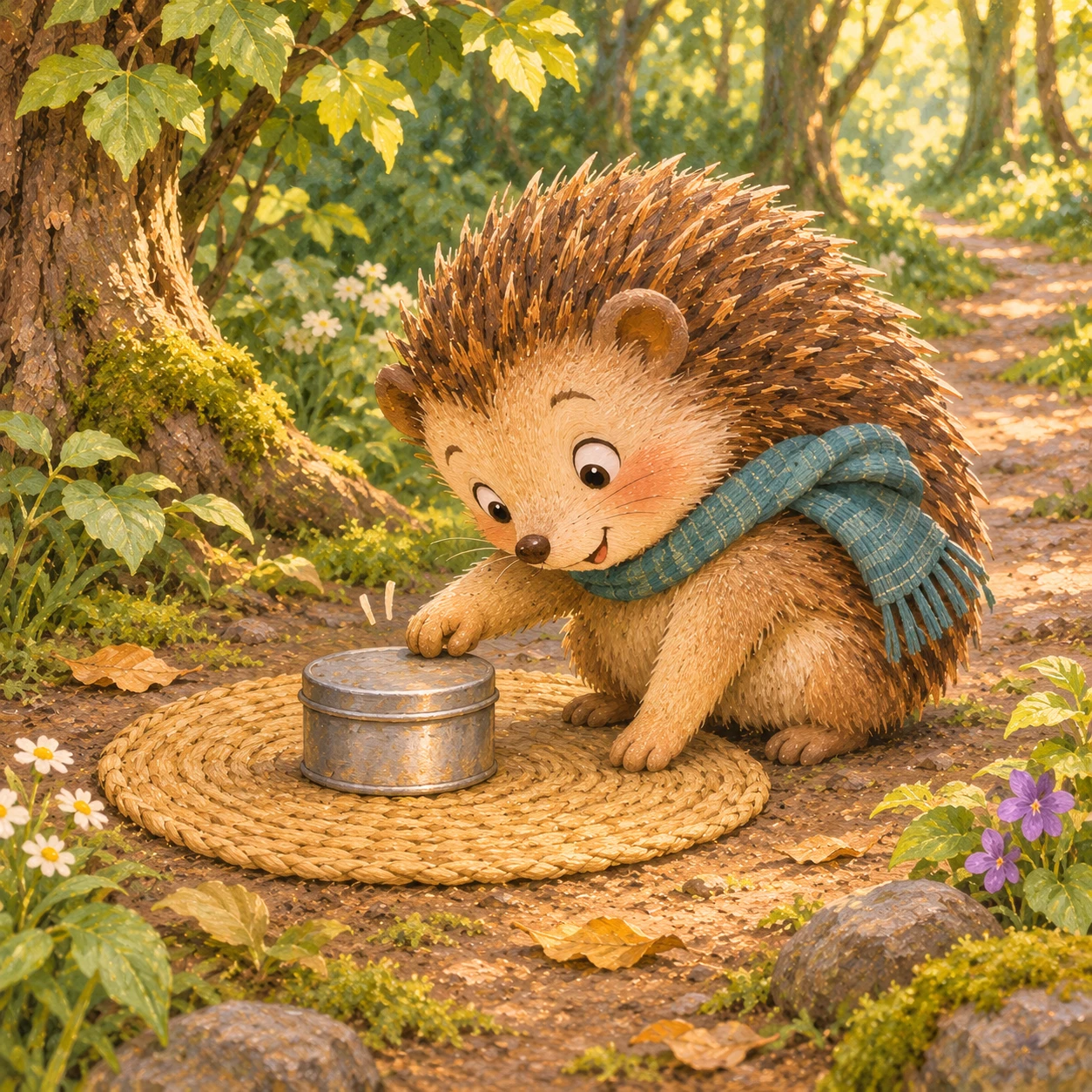
Pip tries a small tapping rhythm and discovers that a soft pat makes a different sound.
Simple wordsLevel 1 · First wordsK–Grade 1 word skillsDecodable story pages · taught sounds
Full storyLevel 1 · First wordsK–Grade 1 word skillsDecodable story pages · taught sounds
About this reading guidance
For this book: Controlled title and both printed text versions use first-words in Gwendolearn reading-code 2026-11-12.1. Teach the exact listed code and capitals first; blend names from their taught sounds. No exception words are used. Gwen supplies rich instructions, definitions and questions aloud; these are not additional independent decodable text. Artwork carries the scene, not a cue to guess an unknown printed word. Models, repetition and hints are support, not mastery.
Book levels describe the wording in each edition. The grade-skill range identifies partial curriculum skills addressed by the story or practice, not the learner's grade or a standardised independent-reading score.
Titles and story pages match a reviewed teaching step. Introduce its sounds and exception words first; instructions and questions can need spoken support.
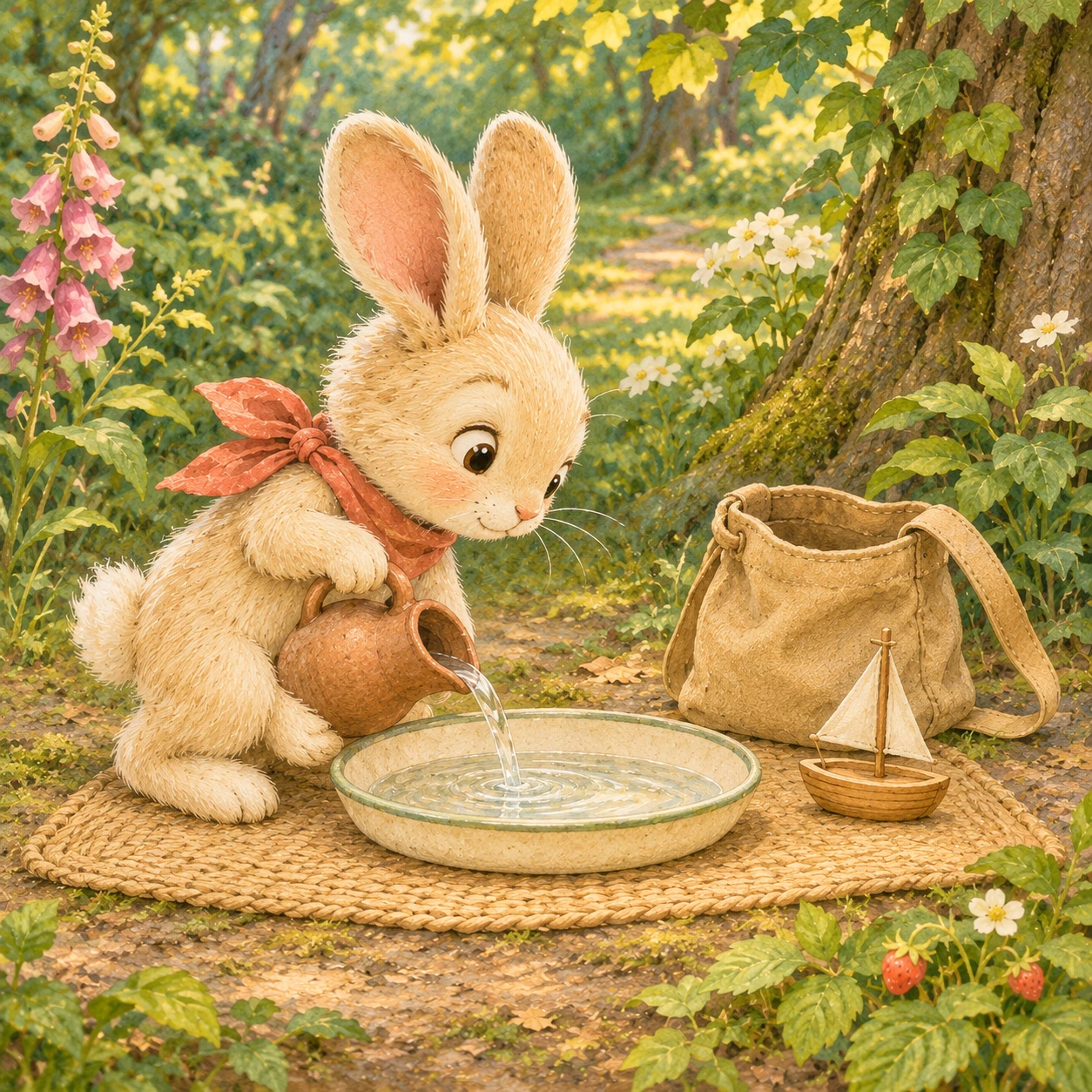
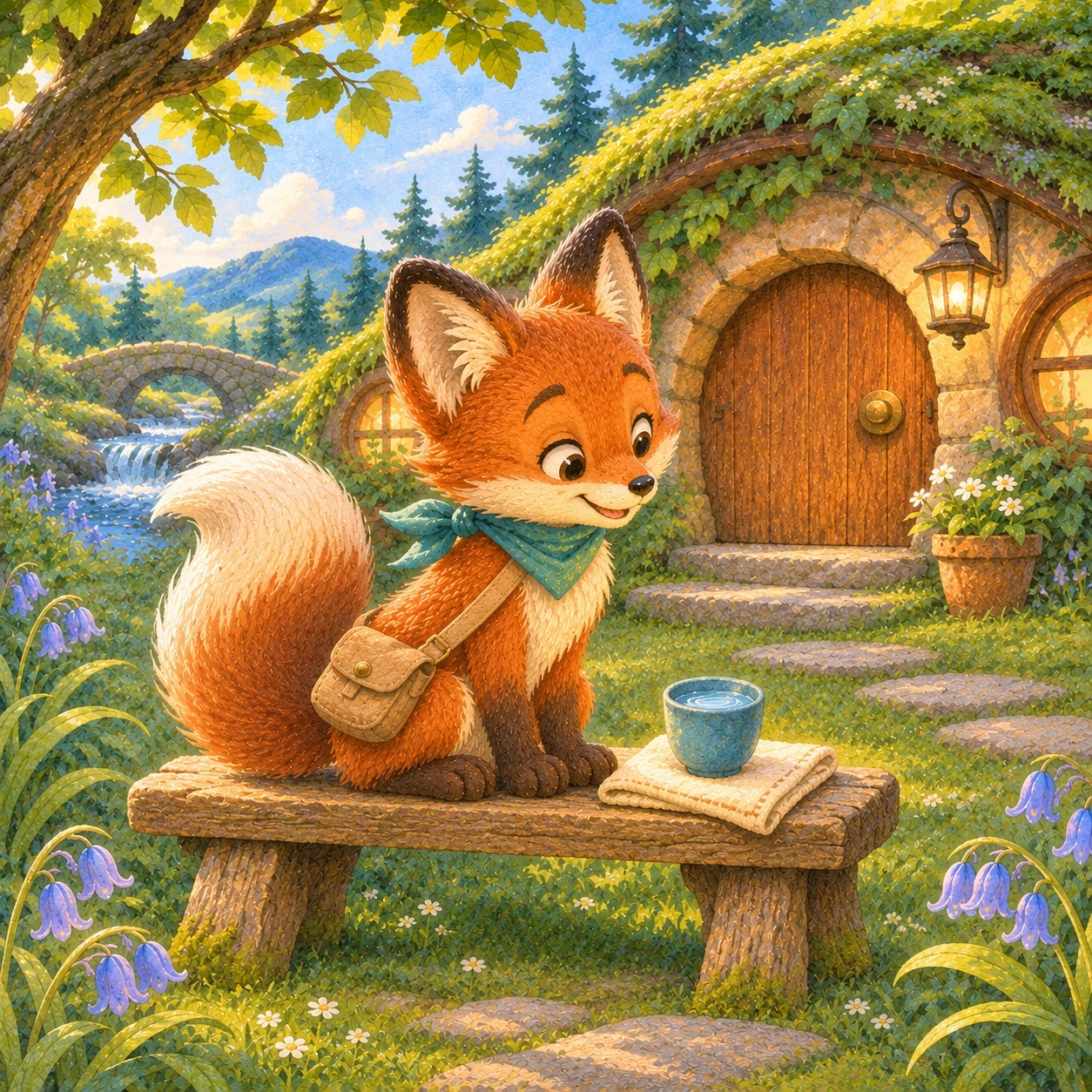
Pip takes a quiet drink, tips the cup gently and settles it on a soft cloth.
Simple wordsLevel 1 · First wordsK–Grade 1 word skillsDecodable story pages · taught sounds
Full storyLevel 1 · First wordsK–Grade 1 word skillsDecodable story pages · taught sounds
About this reading guidance
For this book: Controlled title and both printed text versions use first-words in Gwendolearn reading-code 2026-11-12.1. Teach the exact listed code and capitals first; blend names from their taught sounds. No exception words are used. Gwen supplies rich instructions, definitions and questions aloud; these are not additional independent decodable text. Artwork carries the scene, not a cue to guess an unknown printed word. Models, repetition and hints are support, not mastery.
Book levels describe the wording in each edition. The grade-skill range identifies partial curriculum skills addressed by the story or practice, not the learner's grade or a standardised independent-reading score.
Titles and story pages match a reviewed teaching step. Introduce its sounds and exception words first; instructions and questions can need spoken support.
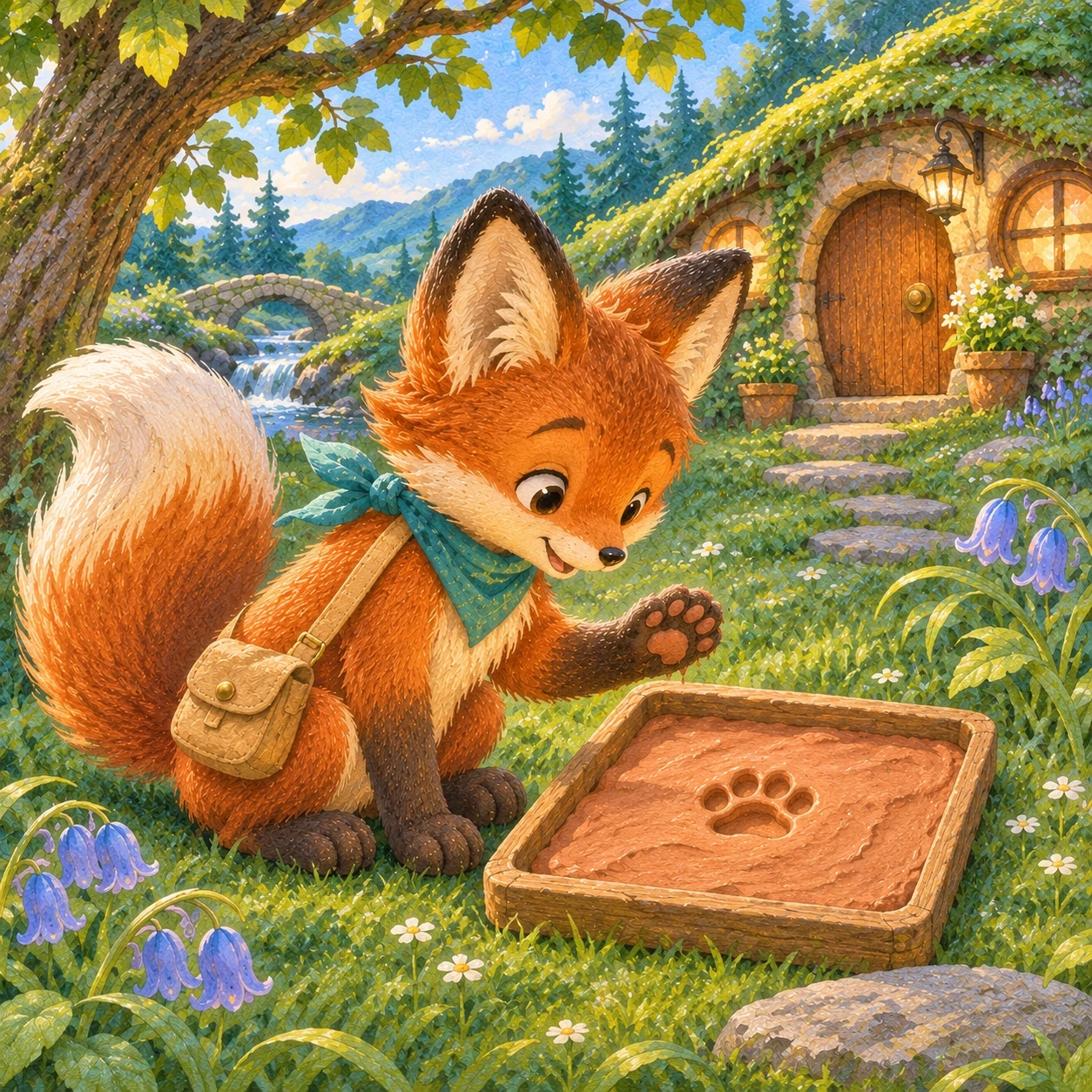
Pip explores a shallow paw print in soft clay and gently pats the clay smooth again.
Simple wordsLevel 1 · First wordsK–Grade 1 word skillsDecodable story pages · taught sounds
Full storyLevel 1 · First wordsK–Grade 1 word skillsDecodable story pages · taught sounds
About this reading guidance
For this book: Controlled title and both printed text versions use first-words in Gwendolearn reading-code 2026-11-12.1. Teach the exact listed code and capitals first; blend names from their taught sounds. No exception words are used. Gwen supplies rich instructions, definitions and questions aloud; these are not additional independent decodable text. Artwork carries the scene, not a cue to guess an unknown printed word. Models, repetition and hints are support, not mastery.
Book levels describe the wording in each edition. The grade-skill range identifies partial curriculum skills addressed by the story or practice, not the learner's grade or a standardised independent-reading score.
Titles and story pages match a reviewed teaching step. Introduce its sounds and exception words first; instructions and questions can need spoken support.
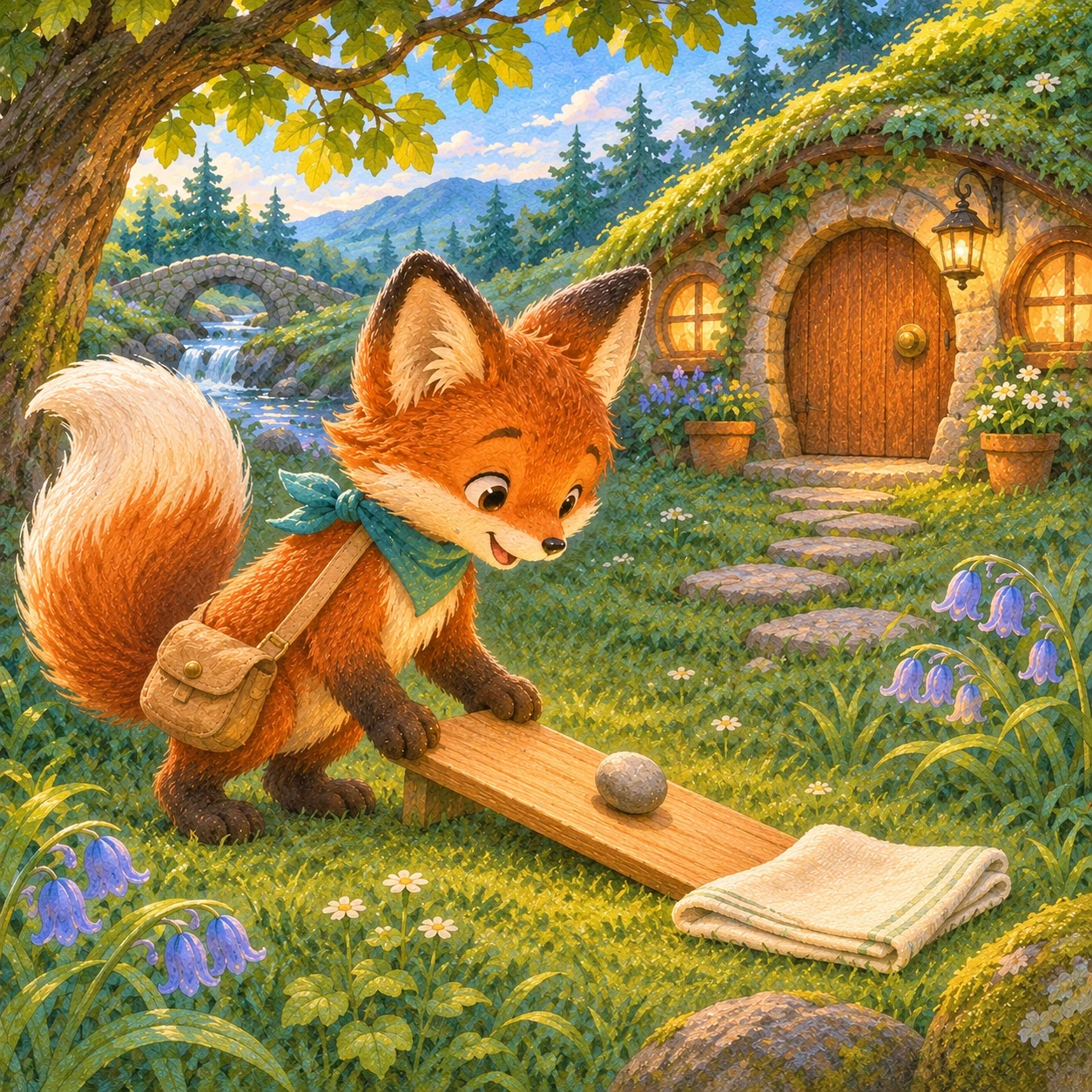
Pip tilts a small ramp, taps a resting pebble and catches its gentle roll on a soft cloth.
Simple wordsLevel 1 · First wordsK–Grade 1 word skillsDecodable story pages · taught sounds
Full storyLevel 1 · First wordsK–Grade 1 word skillsDecodable story pages · taught sounds
About this reading guidance
For this book: Controlled title and both printed text versions use first-words in Gwendolearn reading-code 2026-11-12.1. Teach the exact listed code and capitals first; blend names from their taught sounds. No exception words are used. Gwen supplies rich instructions, definitions and questions aloud; these are not additional independent decodable text. Artwork carries the scene, not a cue to guess an unknown printed word. Models, repetition and hints are support, not mastery.
Book levels describe the wording in each edition. The grade-skill range identifies partial curriculum skills addressed by the story or practice, not the learner's grade or a standardised independent-reading score.
Titles and story pages match a reviewed teaching step. Introduce its sounds and exception words first; instructions and questions can need spoken support.
For this book: An original connected story with shorter and fuller wording. Gwen can model unfamiliar vocabulary and support a return to the relevant page. Discuss the same events in either version; offer the fuller context aloud when needed. Stated details and a supported interpretation are separate from independent decoding or a measured school grade. No controlled-phonics or complete-curriculum claim.
Book levels describe the wording in each edition. The grade-skill range identifies partial curriculum skills addressed by the story or practice, not the learner's grade or a standardised independent-reading score.
Illustrated stories can include words outside early phonics practice. Listening and reading with support are different from reading independently.
A few drops change Moss’s picnic plan, and he finds a different way to share the afternoon with Pip.
Simple wordsLevel 4 · Short storiesGrades 1–2 story skillsIllustrated story · support as needed
Full storyLevel 4 · Short storiesGrades 1–2 story skillsIllustrated story · support as needed
About this reading guidance
For this book: An original connected story with shorter and fuller wording. Gwen can model unfamiliar vocabulary and support a return to the relevant page. Discuss the same events in either version; offer the fuller context aloud when needed. Stated details and a supported interpretation are separate from independent decoding or a measured school grade. No controlled-phonics or complete-curriculum claim.
Book levels describe the wording in each edition. The grade-skill range identifies partial curriculum skills addressed by the story or practice, not the learner's grade or a standardised independent-reading score.
Illustrated stories can include words outside early phonics practice. Listening and reading with support are different from reading independently.
Kit plans a surprise for Dot, then discovers that asking one question can make his help more useful.
Simple wordsLevel 4 · Short storiesGrades 1–2 story skillsIllustrated story · support as needed
Full storyLevel 4 · Short storiesGrades 1–2 story skillsIllustrated story · support as needed
About this reading guidance
For this book: An original connected story with shorter and fuller wording. Gwen can model unfamiliar vocabulary and support a return to the relevant page. Discuss the same events in either version; offer the fuller context aloud when needed. Stated details and a supported interpretation are separate from independent decoding or a measured school grade. No controlled-phonics or complete-curriculum claim.
Book levels describe the wording in each edition. The grade-skill range identifies partial curriculum skills addressed by the story or practice, not the learner's grade or a standardised independent-reading score.
Illustrated stories can include words outside early phonics practice. Listening and reading with support are different from reading independently.